Alright, folks! As a supplier of flat end mills, I often get asked about what the cutting stability of a flat end mill really means. So, I thought I’d sit down and have a chat with you all about this important topic. Flat End Mill
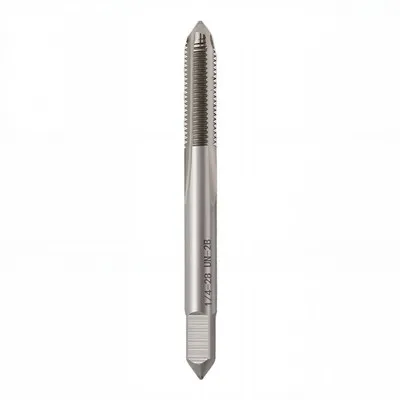
Let’s start from the basics. A flat end mill is a type of cutting tool that’s used in machining operations, like milling and drilling. You know, when you’re trying to shape a piece of metal, wood, or plastic into something useful or cool. And cutting stability? Well, that’s just how well the flat end mill does its job without going all wobbly or causing a whole bunch of problems.
When a flat end mill is cutting, it’s constantly in contact with the material it’s working on. The cutting stability is all about how smoothly it can make those cuts, and how consistent the result is. If the mill isn’t stable, you can end up with a whole bunch of issues. For example, the surface of the material might end up rough instead of smooth. You could also have problems with the accuracy of the cuts. Maybe the holes you drill aren’t the right size, or the edges of your part aren’t as straight as they should be. That’s definitely not what you want, especially if you’re making parts for something like a car engine or a high – tech gadget.
There are a few key factors that affect the cutting stability of a flat end mill. One of the big ones is the geometry of the mill itself. The shape and design of the cutting edges play a huge role. For instance, the helix angle of the flutes on the mill can impact how the chips are removed from the cut. A proper helix angle helps to clear the chips quickly, which reduces the chances of the chips getting all jammed up and causing the mill to become unstable. If the chips pile up, it can put extra stress on the mill, and that stress can lead to vibrations and poor cutting performance.
Another important aspect of the mill’s geometry is the number of flutes. Flat end mills can come with different numbers of flutes, like two, three, or four. More flutes generally mean a smoother surface finish, but they also mean that there’s less space between the flutes for chip removal. So, if you’re working with a material that produces a lot of chips, you might want to go for a mill with fewer flutes to keep the chip flow going smoothly. On the other hand, if you’re after a super – smooth finish and the material doesn’t produce too many chips, a mill with more flutes could be a better choice.
The material of the flat end mill is also crucial for cutting stability. Different materials have different properties, such as hardness, toughness, and heat resistance. High – speed steel (HSS) is a popular choice for flat end mills. It’s relatively inexpensive and has decent cutting performance. But it may not be the best option for really tough materials or high – speed machining operations. Carbide, on the other hand, is much harder and more heat – resistant. Carbide flat end mills can handle high – speed cutting and tough materials like stainless steel and titanium much better. They’re also less likely to wear out quickly, which helps to maintain cutting stability over a longer period of time.
The cutting parameters you choose also have a big impact on stability. The speed at which the mill rotates, the feed rate (how fast the material moves past the mill), and the depth of cut all interact with each other. If the rotation speed is too high, it can cause excessive heat and wear on the mill, and that can lead to instability. If the feed rate is too fast, the mill might not be able to remove the material properly, and it could start to chatter. And if the depth of cut is too deep, it can put too much stress on the mill and make it vibrate. You’ve got to find the right balance between these parameters to keep the cutting process stable.
Workholding is another factor that can’t be overlooked. If the material you’re working on isn’t held securely in place, it can move around during the cutting process. Even a small amount of movement can cause the mill to lose its stability. You should use good quality vises, clamps, or fixtures to make sure the workpiece is firmly fixed. The better the workholding, the more stable the cutting operation will be.
Now, let’s talk about why cutting stability is so important for you, the customers. If you’re using a flat end mill with good cutting stability, you’re going to save time and money. You won’t have to spend extra time re – working parts because of poor surface finish or inaccurate cuts. You’ll also reduce the amount of scrap material, which means you’re getting more out of the raw material you buy. Plus, a stable cutting process means less wear and tear on the mill itself. That means you won’t have to replace the mills as often, which can add up to significant cost savings in the long run.
And that’s where we come in. As a supplier of flat end mills, we understand all these factors that affect cutting stability. We’ve got a wide range of flat end mills in different geometries, materials, and sizes to meet your specific needs. Whether you’re working on a small – scale project in your workshop or a large – scale industrial job, we’ve got the right mill for you.
We know that every machining job is unique, and that’s why we’re always ready to help you make the right choice. If you’re not sure which flat end mill to use for a particular material or cutting operation, just give us a call or drop us an email. Our team of experts is here to answer your questions and provide you with the best advice.
We also take pride in the quality of our products. All our flat end mills go through strict quality control measures to make sure they meet the highest standards. We use the latest manufacturing techniques and the best materials to ensure that our mills offer excellent cutting stability and performance.
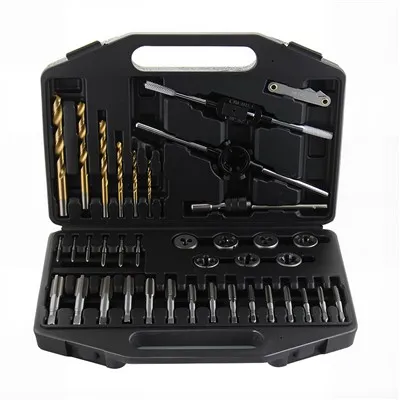
So, if you’re in the market for flat end mills, don’t hesitate to get in touch with us. We’re here to make your machining jobs easier, more efficient, and more cost – effective. Whether you’re a professional machinist or a DIY enthusiast, we’ve got the solution for you. Reach out to us and let’s start talking about how we can help you with your flat end mill needs.
Spade Drill References
- "Machining Handbook", a comprehensive guide for machining operations and cutting tools.
- Industry research papers on cutting tool performance and stability.
Small Craftsman (Shandong) Machine & Tools Co., Ltd.
Small Craftsman (Shandong) Machine & Tools Co., Ltd. is one of the most experienced flat end mill manufacturers and suppliers in China, also supports customized service with low price. Please feel free to buy bulk high quality flat end mill in stock here from our factory. Contact us for pricelist.
Address: No.9 Quanxin Rd., Sishui Economic Developing Zone, Jining, Shandong, China.
E-mail: 6196@ocutchina.com
WebSite: https://www.ocutooling.com/
