How to check the quality of All – Steel Radial Segmented Molds before installation
Hey there! As a supplier of All – Steel Radial Segmented Molds, I’ve seen the importance of quality checks before installation firsthand. In this blog, I’ll share some practical tips on how to make sure you’re getting the best out of your molds. All-Steel Radial Segmented Molds
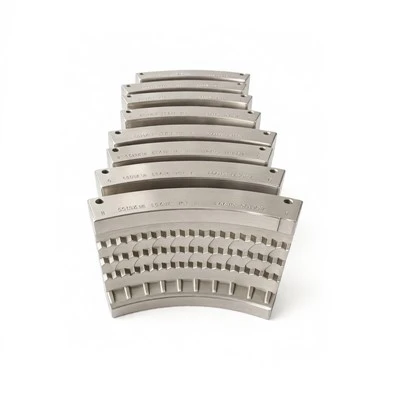
1. Visual Inspection
The first step in checking the quality of all – steel radial segmented molds is a good old – fashioned visual inspection. Start by looking at the overall appearance of the mold. Are there any obvious signs of damage, like cracks, chips, or dents? These can seriously affect the performance of the mold and lead to defects in the tires produced.
Check the surface finish of the mold. It should be smooth and free of any rough spots or blemishes. A rough surface can result in a poor – quality tire surface, which may not meet industry standards. Look for any signs of corrosion or rust as well. All – steel molds are susceptible to rust if they haven’t been properly stored or treated, and this can weaken the mold over time.
Also, pay attention to the alignment of the segments. The segments should fit together perfectly, with no gaps or misalignments. Any misalignment can cause issues during the molding process, such as uneven tire treads.
2. Dimensional Checks
Accurate dimensions are crucial for all – steel radial segmented molds. You’ll need to use precision measuring tools to check the key dimensions of the mold. Measure the diameter, width, and height of the mold to make sure they match the specifications provided by the manufacturer. Even a small deviation in dimensions can lead to problems with tire fitment and performance.
Check the thickness of the segments as well. Consistent segment thickness is important for maintaining uniform pressure during the molding process. If the segments are too thick or too thin in some areas, it can cause uneven tire curing and affect the tire’s durability.
Another aspect of dimensional checks is to verify the size and shape of the tread patterns. The tread patterns should be sharp and well – defined. Use a caliper or a gauge to measure the depth and width of the tread grooves. Any variation in these dimensions can impact the tire’s traction and handling.
3. Material Quality Assessment
The quality of the steel used in the mold is a major factor in its performance and longevity. You can start by asking for the material certification from the mold supplier. This document will provide information about the type of steel, its chemical composition, and its mechanical properties.
Look for high – quality steel that has good strength, hardness, and wear resistance. The steel should be able to withstand the high pressures and temperatures involved in the tire – molding process without deforming or wearing out quickly.
You can also perform a simple hardness test on the mold surface. There are handheld hardness testers available that can give you an idea of the steel’s hardness. A harder steel is generally more resistant to wear, but it also needs to have some degree of toughness to prevent cracking.
4. Functional Testing
Before installing the mold, it’s a good idea to perform some functional tests. One way to do this is to simulate the molding process on a small scale if possible. You can use a test compound or a sample material to see how the mold performs.
Check the opening and closing mechanism of the mold. It should operate smoothly without any sticking or jamming. The locking mechanism should also be secure, ensuring that the mold stays closed during the molding process.
During the test run, pay attention to the flow of the material into the mold. The material should fill the mold evenly, without any air pockets or voids. If there are any issues with the material flow, it could indicate problems with the mold design or the gating system.
5. Surface Coating Inspection
Many all – steel radial segmented molds come with surface coatings to improve their performance. These coatings can provide benefits such as corrosion resistance, release properties, and wear resistance.
Inspect the surface coating for any signs of damage or peeling. If the coating is damaged, it may not provide the intended benefits and can even cause problems during the molding process. Check the thickness of the coating as well. A proper coating thickness is necessary for optimal performance.
You can also test the release properties of the coating. Try to remove a test piece from the mold after the test run. If the test piece sticks to the mold or if it’s difficult to remove, it could be a sign that the coating is not working effectively.
6. Documentation Review
Don’t forget to review all the documentation that comes with the mold. This includes the user manual, maintenance instructions, and quality control reports. The user manual will provide important information on how to operate and maintain the mold properly.
The maintenance instructions will tell you what kind of maintenance tasks are required and how often they should be performed. Following these instructions can help extend the life of the mold.
The quality control reports will give you an idea of the mold’s manufacturing history and any quality checks that were performed during the production process. Look for any notes or comments in the reports that could indicate potential issues.
Why Quality Checks Matter
Performing these quality checks before installation is not just a formality. It can save you a lot of time, money, and headaches in the long run. A defective mold can lead to a high rate of tire rejects, which means lost production and increased costs.
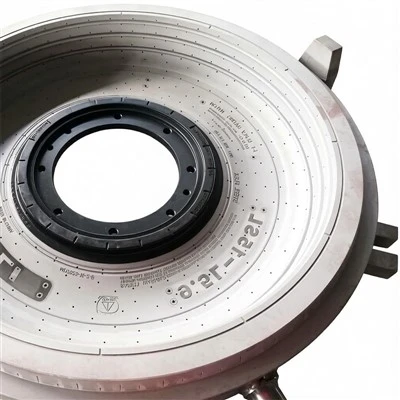
By ensuring that the mold is of high quality, you can improve the efficiency of your tire – manufacturing process. You’ll get better – quality tires, which will enhance your reputation in the market and increase customer satisfaction.
Let’s Talk Business
Special Structure Mold If you’re in the market for high – quality all – steel radial segmented molds or if you have any questions about the quality – checking process, I’d love to hear from you. We’re here to provide you with the best products and support. Whether you’re a small – scale tire manufacturer or a large – industrial player, we can work with you to meet your needs. Reach out to us for a quote or to discuss your specific requirements. Let’s start a great partnership and take your tire – manufacturing business to the next level!
References
- ASTM International standards related to tire manufacturing and mold quality.
- Industry – specific publications on tire – mold technology and quality control.
- Manufacturer’s guidelines and technical documents for all – steel radial segmented molds.
Anhui Varon Mould Co., Ltd.
We are one of the most professional all-steel radial segmented molds manufacturers and suppliers in China, also support customized service. We warmly welcome you to wholesale premium all-steel radial segmented molds made in China here from our factory. If you have any enquiry about cooperation, please feel free to email us.
Address: Anhui Province, Ningguo City, Economic and Technological Development Zone, Heli Industrial Park, Dongcheng Avenue
E-mail: admin@varonmould.com.cn
WebSite: https://www.wanlongmold.com/
