The size and weight of an open frame switching power supply are two critical physical attributes that significantly influence its installation and usage. As a supplier of open frame switching power supplies, I’ve witnessed firsthand how these factors can either simplify or complicate the deployment and operation of the power supply in various applications. In this blog, I will delve into the ways in which size and weight affect the installation and use of open frame switching power supplies, offering insights to help customers make informed decisions. Open Frame Switching Power Supply

Impact of Size on Installation
Space Requirements
One of the most obvious ways size affects installation is through space requirements. In modern electronic devices and systems, space is often at a premium. Compact open frame switching power supplies are highly sought – after in applications where real estate is limited, such as in small – form – factor computers, point – of – sale terminals, and embedded systems. For instance, in a slim – line desktop computer, a power supply with a large footprint might not fit into the confined chassis, making it necessary to choose a more compact alternative.
On the other hand, larger power supplies are typically used in applications that can accommodate their size, such as industrial control cabinets or large – scale server racks. These environments usually have more space available, and the size of the power supply may not be a limiting factor. However, even in these cases, proper planning is required to ensure that the power supply can be installed without interfering with other components.
Mounting Options
The size of an open frame switching power supply also impacts the available mounting options. Smaller power supplies can be more easily mounted on PCBs (Printed Circuit Boards) using surface – mount or through – hole technology. This is common in consumer electronics and small – scale electronics manufacturing. Their compact size allows for seamless integration onto the PCB, contributing to the overall miniaturization of the device.
Larger power supplies, however, are often mounted using brackets or racks. Industrial power supplies, for example, are often installed on DIN rails in control cabinets. The size of the power supply determines the type of bracket or mounting mechanism required, and it’s essential to ensure that the mounting hardware is compatible with the dimensions of the power supply. Incorrect mounting can lead to instability, which may cause damage to the power supply or other components over time.
Airflow and Cooling
Size plays a crucial role in the airflow and cooling of an open frame switching power supply. Smaller power supplies generally have less surface area for heat dissipation. As a result, they may require more efficient cooling methods, such as heat sinks or fans, even for relatively low – power applications. In a densely packed enclosure, proper airflow design is essential to prevent overheating of the power supply and other components.
Larger power supplies, although they have a larger surface area for heat dissipation, also generate more heat due to their higher power capacity. Ensuring adequate airflow around the power supply becomes even more critical in this case. In large server rooms or industrial environments, cooling systems are often designed to manage the heat generated by multiple large – scale power supplies effectively.
Impact of Size on Use
Portability
The size of an open frame switching power supply can determine its portability. In some applications, such as portable test equipment or mobile medical devices, a small and lightweight power supply is essential. The ability to move the device easily from one location to another is a significant advantage, and a compact power supply contributes to the overall portability of the device.
In contrast, large power supplies used in industrial or fixed – location applications are not designed for portability. They are typically installed in a permanent location and are part of a larger system that is not meant to be moved frequently.
Compatibility with Other Components
The size of the power supply must be compatible with other components in the system. For example, in a multimedia system, the power supply needs to fit within the enclosure along with the audio and video components. If the power supply is too large, it may not leave enough space for the other components, leading to a cramped and potentially inefficient design.
Moreover, the size can also affect the wiring and cable management within the system. A large power supply may require longer cables, which can increase the risk of electromagnetic interference (EMI) and signal degradation. Smaller power supplies can often be wired more neatly, reducing these risks.
Impact of Weight on Installation
Physical Handling
Weight is a significant factor in the physical handling of an open frame switching power supply during installation. Lighter power supplies are easier to lift and maneuver, reducing the risk of injury to the installation personnel. In a production environment, where multiple power supplies need to be installed quickly, lightweight power supplies can improve the efficiency of the installation process.
Heavy power supplies, on the other hand, may require additional equipment such as hoists or lifting mechanisms for installation. In industrial settings, where large – capacity power supplies are common, proper handling procedures and equipment must be in place to ensure the safety of the installation team.
Structural Support
The weight of the power supply also affects the structural support required during installation. A heavy power supply needs a sturdy mounting surface or structure to prevent it from falling or causing damage to the surrounding area. In a control cabinet, for example, the cabinet must be designed to support the weight of the power supply and other components.
In some cases, additional bracing or reinforcement may be necessary to ensure the stability of the installation. This is especially important in applications where the power supply is subject to vibrations or mechanical shocks, such as in transportation or industrial machinery.
Impact of Weight on Use
Power Consumption and Efficiency
Although weight itself does not directly affect power consumption, heavier power supplies often have a larger mass of components, which can sometimes be associated with higher power consumption. This is because more materials are used in the construction of the power supply, and there may be additional losses within the components.
However, it’s important to note that this is not always the case. Advancements in power supply technology have made it possible to create high – efficiency power supplies regardless of their weight. Nevertheless, when choosing a power supply, it’s essential to consider the overall power consumption and efficiency, especially in applications where energy efficiency is a priority.
Long – term Stability
The weight of a power supply can impact its long – term stability. A heavier power supply is generally more stable, especially in environments where there are vibrations or movements. This stability can contribute to the reliable operation of the power supply over an extended period.
In applications where the power supply needs to operate continuously, such as in data centers or telecommunications equipment, long – term stability is crucial. The weight of the power supply can be a factor in ensuring that it remains in place and functions correctly without being affected by external factors.
Choosing the Right Size and Weight
When selecting an open frame switching power supply, it’s essential to consider the specific requirements of the application. If space is limited and portability is a priority, a smaller and lighter power supply would be the best choice. In contrast, if high power output and long – term stability are critical, a larger and heavier power supply may be more suitable.
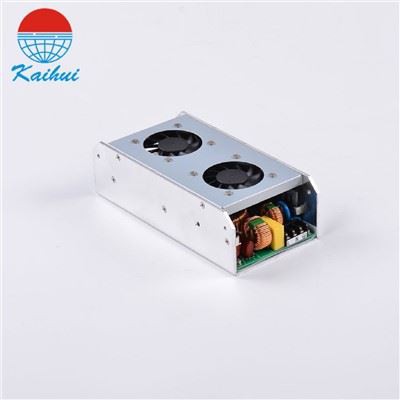
As a supplier of open frame switching power supplies, we offer a wide range of products with different sizes and weights to meet the diverse needs of our customers. Our team of experts can provide advice and guidance on choosing the right power supply for your specific application. Whether you are working on a small – scale consumer electronics project or a large – scale industrial system, we can help you find the perfect solution.
Enclosed Switching Power Supply If you are interested in our open frame switching power supplies or have any questions about size, weight, or other specifications, please do not hesitate to contact us for a purchase negotiation. We are committed to providing high – quality products and excellent customer service to help you achieve your project goals.
References
- “Power Supply Design Handbook” by Marty Brown.
- “Switching Power Supply Design” by Abraham I. Pressman.
- Industry standards and specifications related to open frame switching power supplies.
Guangzhou Kaihui Electronics Co., Ltd.
Guangzhou Kaihui Electronics Co., Ltd. is one of the most professional open frame switching power supply manufacturers and suppliers in China, specialized in providing the best customized service. We warmly welcome you to buy high quality open frame switching power supply made in China here from our factory.
Address: 2F BLDG8, Standard Ind.Park, Dongchong Town, Nansha District 511453, Guangzhou, Guangdong, China
E-mail: amy@gzkaihui.com
WebSite: https://www.kaihuipowersupply.com/
