Weather – resistant sealants are a popular choice for many construction and maintenance projects due to their ability to protect against the elements. But when it comes to historic buildings, the question arises: Can weather – resistant sealant be used for sealing around window frames? As a supplier of weather – resistant sealant, I have delved deep into this question to provide a comprehensive answer. Weather Resistant Sealant
Historic buildings hold significant cultural and architectural value. They are like time capsules, carrying the stories and aesthetics of bygone eras. Any repair or improvement work on these structures must be approached with great care. The goal is to preserve the building’s historical integrity while also ensuring its functionality.
Advantages of Using Weather – Resistant Sealant
First, let’s examine the benefits of weather – resistant sealants in general. These sealants are designed to resist various weather conditions, including rain, wind, snow, and sunlight. They form a tight barrier around the window frames, preventing water infiltration, which can lead to issues such as wood rot, mold growth, and structural damage.
In addition to water protection, weather – resistant sealants also offer insulation benefits. They can reduce heat transfer through the window frames, which helps in maintaining a comfortable indoor temperature and reducing energy consumption. This is especially important in historic buildings, many of which were not originally designed with modern insulation standards in mind.
Another advantage is their durability. High – quality weather – resistant sealants can last for many years, reducing the need for frequent maintenance and repairs. They are also resistant to cracking and peeling, which means they can maintain their sealing properties over time.
Considerations for Historic Buildings
However, using weather – resistant sealant on historic buildings is not without its challenges. One of the main concerns is the preservation of the building’s original appearance. Historic buildings often have unique architectural features and details that must be protected. The color, texture, and application method of the sealant can all affect the overall look of the building.
Some weather – resistant sealants may not be compatible with the materials used in historic window frames, such as old – growth wood or traditional metal. For example, certain sealants may cause discoloration or chemical reactions with the frame materials, which can damage the structure. It’s crucial to choose a sealant that is compatible with the specific materials of the window frames.
When working on historic buildings, it’s also important to follow preservation guidelines. These guidelines are in place to ensure that any work done on the building does not compromise its historical value. This may include using only approved materials and methods, and obtaining necessary permits.
Types of Weather – Resistant Sealants for Historic Buildings
When selecting a weather – resistant sealant for historic window frames, there are several types to consider.
Silicone Sealants: Silicone sealants are known for their excellent weather resistance and flexibility. They can withstand extreme temperatures and UV rays without cracking or losing their sealing properties. However, silicone sealants can be difficult to remove and may not be the best choice for buildings where future maintenance or restoration is likely.
Polyurethane Sealants: Polyurethane sealants offer good adhesion and durability. They are also resistant to water and chemicals. Polyurethane sealants can be painted, which allows for better color matching with the window frames. However, they may require more careful application to avoid a messy appearance.
Acrylic Sealants: Acrylic sealants are a more budget – friendly option. They are easy to apply and can be cleaned up with water. While they may not have the same level of weather resistance as silicone or polyurethane sealants, they can still provide adequate protection for less – exposed window frames in historic buildings.
Case Studies
Let’s look at some real – world examples to illustrate the use of weather – resistant sealants in historic buildings.
In a 19th – century mansion, the window frames were showing signs of water damage. The owners decided to use a high – quality silicone weather – resistant sealant. Before application, the restoration team carefully tested the sealant on a small, inconspicuous area to ensure compatibility with the old – growth wood. The sealant was applied in a thin, even layer, following the contours of the window frames. After the installation, the water infiltration stopped, and the window frames were protected from further damage. The silicone sealant also provided insulation, reducing the energy costs of the mansion.
In another case, a historic church with metal window frames was in need of sealing. The preservation committee chose a polyurethane sealant because of its good adhesion and paintability. The sealant was applied in a way that minimized visibility while still providing a tight seal. The painted finish of the sealant matched the existing color of the window frames, preserving the church’s historical appearance.
Best Practices for Application
When applying weather – resistant sealant around window frames in historic buildings, the following best practices should be followed:
- Clean the Surface: Thoroughly clean the window frames to remove dirt, dust, and old paint. This ensures better adhesion of the sealant.
- Test the Sealant: Before applying the sealant to the entire window frame, test it on a small, hidden area to check for compatibility and appearance.
- Use the Right Tools: Use appropriate tools such as a caulking gun for even application. This helps in achieving a neat and professional finish.
- Follow the Manufacturer’s Instructions: Each sealant has specific application instructions, including temperature and humidity requirements. Make sure to follow these instructions carefully for the best results.
Conclusion
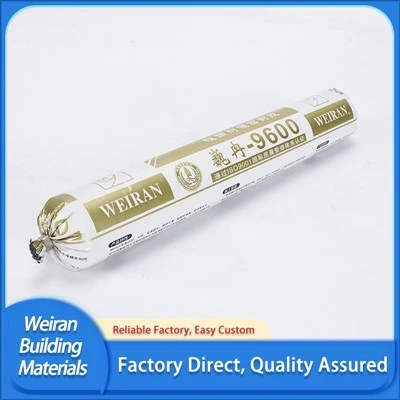
In conclusion, weather – resistant sealants can be used for sealing around window frames in historic buildings, but it requires careful consideration. By understanding the advantages and limitations of different types of sealants, and by following preservation guidelines and best practices, it’s possible to protect the window frames while maintaining the building’s historical integrity.
Embedded Channel As a supplier of weather – resistant sealants, I am committed to providing high – quality products and expert advice for projects involving historic buildings. If you are working on a historic building and need a reliable weather – resistant sealant solution, I encourage you to reach out. We can discuss the specific needs of your project, recommend the most suitable sealant, and provide guidance on proper application. Contact me to start a conversation about how we can work together to preserve and protect your historic building.
References
- ASTM International. (Year). ASTM Standards for Sealants in Building Construction.
- National Park Service. (Year). Preservation Briefs: Window Restoration and Conservation.
- Building Conservation Directory. (Year). Guide to Sealants for Historic Buildings.
Shandong Weiran Building Materials Co., Ltd.
Shandong Weiran Building Materials Co., Ltd. is one of the most experienced weather resistant sealant manufacturers and suppliers in China, also supports customized service with low price. Welcome to buy bulk high quality weather resistant sealant in stock here from our factory. Contact us for quotation.
Address: No.1, Street-front Shop, Jia 19, No.137 East Xingyuan Road, Zhangdian District, Zibo City, Shandong Province, China
E-mail: qinjuan@sdwrjc.com
WebSite: https://www.sdwrjc.com/
