In the intricate web of modern lighting control systems, the pilot lamp stands as a silent yet indispensable sentinel. As a dedicated supplier of pilot lamps, I’ve witnessed firsthand the profound impact these small devices have on the functionality, safety, and user experience of lighting setups. In this blog, I’ll delve into the multifaceted role of pilot lamps in lighting control systems, exploring their significance from various perspectives. Pilot Lamp
Visual Indication of System Status
One of the primary functions of a pilot lamp in a lighting control system is to provide visual indication of the system’s status. Whether it’s a simple on/off state or a more complex operational mode, the pilot lamp serves as a clear and immediate signal to users. For instance, in a commercial building’s lighting system, a green pilot lamp can indicate that the lights are on and functioning properly, while a red lamp might signal a fault or a system shutdown. This visual feedback is crucial for both building occupants and maintenance personnel, as it allows them to quickly assess the situation and take appropriate action.
In industrial settings, where lighting systems are often integrated with other machinery and processes, pilot lamps play an even more critical role. They can indicate the status of different lighting zones, such as whether a particular area is illuminated for safety reasons or if a specific lighting mode is active. This information helps operators monitor the system’s performance and ensure that everything is running smoothly. For example, in a manufacturing plant, a pilot lamp might indicate that a certain section of the production line is in a low-light mode to conserve energy, or that a safety light is activated to warn workers of potential hazards.
Safety and Warning Signals
Pilot lamps also serve as important safety and warning signals in lighting control systems. In emergency situations, such as a power outage or a fire, pilot lamps can be used to indicate the location of emergency exits, safety equipment, or critical control panels. These lamps are typically designed to be highly visible, even in low-light conditions, and may use bright colors or flashing patterns to attract attention.
In addition to emergency situations, pilot lamps can also provide warnings about potential hazards or malfunctions in the lighting system. For example, a flickering pilot lamp might indicate a loose connection or a faulty component, while a continuously lit red lamp could signal a more serious problem, such as an overheating transformer or a short circuit. By alerting users to these issues, pilot lamps help prevent accidents and ensure the safety of both people and property.
User Interface and Control
In many lighting control systems, pilot lamps are an integral part of the user interface. They allow users to interact with the system and control the lighting settings easily. For example, in a home lighting system, a series of pilot lamps might be used to indicate different lighting scenes, such as "reading," "relaxing," or "party." Users can simply press a button corresponding to the desired scene, and the pilot lamp will light up to confirm the selection.
In more complex commercial or industrial lighting control systems, pilot lamps can be used to provide detailed information about the system’s operation. For instance, a control panel might have a series of pilot lamps that indicate the status of different lighting zones, the level of illumination, or the power consumption. This information allows users to make informed decisions about the lighting settings and optimize the system’s performance.
Energy Efficiency and Monitoring
Pilot lamps can also play a role in promoting energy efficiency in lighting control systems. By providing visual feedback about the system’s status, they can help users identify areas where energy is being wasted and take steps to reduce consumption. For example, if a pilot lamp indicates that a particular lighting zone is on when it’s not needed, users can turn it off to save energy.
In addition, pilot lamps can be used to monitor the energy consumption of the lighting system. Some advanced pilot lamps are equipped with sensors that can measure the amount of electricity being used and display the information on a control panel. This allows users to track their energy usage over time and make adjustments to their lighting settings to reduce costs.
Compatibility and Integration
As a pilot lamp supplier, I understand the importance of compatibility and integration in lighting control systems. Pilot lamps need to be compatible with a wide range of lighting fixtures, control panels, and other components to ensure seamless operation. They also need to be easy to install and maintain, with clear instructions and support available.
In addition, pilot lamps should be able to integrate with other smart technologies, such as building automation systems and energy management software. This allows for greater control and monitoring of the lighting system, as well as the ability to automate certain functions based on user preferences or environmental conditions.
Conclusion
In conclusion, the role of a pilot lamp in a lighting control system is multifaceted and essential. From providing visual indication of system status to serving as safety and warning signals, from enhancing the user interface to promoting energy efficiency, pilot lamps play a crucial role in the functionality, safety, and user experience of lighting setups.
As a trusted supplier of pilot lamps, I’m committed to providing high-quality products that meet the diverse needs of our customers. Our pilot lamps are designed to be reliable, durable, and easy to use, with a wide range of colors, sizes, and styles available to suit different applications.
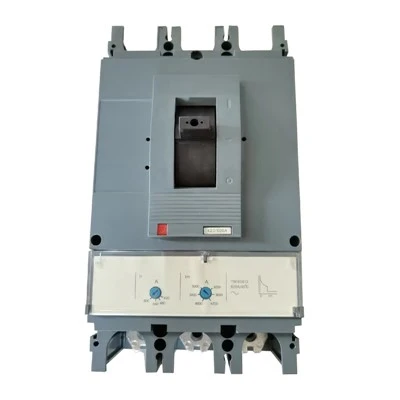
LV Pole Mounted Circuit Breakers If you’re interested in learning more about our pilot lamps or exploring how they can enhance your lighting control system, I encourage you to contact us. Our team of experts is ready to assist you with your specific requirements and provide you with the best solutions for your project. Let’s work together to create a more efficient, safe, and user-friendly lighting environment.
References
- "Lighting Handbook: Reference and Application," Illuminating Engineering Society of North America (IESNA)
- "Electrical Engineering Handbook," CRC Press
- "Smart Building Technology: A Guide to Building Automation and Controls," McGraw-Hill Education
Wenzhou Lanen Electrical Co., Ltd.
Wenzhou Lanen Electrical Co., Ltd. is one of the most professional pilot lamp manufacturers and suppliers in China, also supports customized service with low price. Please feel free to buy CE approved pilot lamp made in China here from our factory. Contact us for more discount information.
Address: Zhiguang Liushi Town Yueqing City Wenzhou City Zhejiang Province
E-mail: lanen@luyele.cn
WebSite: https://www.lanenelectrical.com/
