As a seasoned supplier of shaft parts, I’ve witnessed firsthand the distinct disparities between precision and non – precision shaft parts. These differences are not merely technical nuances; they can significantly impact the performance, reliability, and cost of your projects. In this blog, I’ll delve into the characteristics, applications, manufacturing processes, and more to help you understand which type of shaft part suits your needs best. Shaft Parts

Characteristics of Precision and Non – Precision Shaft Parts
Geometric Accuracy
Precision shaft parts are engineered to meet extremely tight geometric tolerances. For instance, the diameter of a precision shaft might be specified with a tolerance of ±0.001mm. This high level of accuracy ensures that the shaft fits perfectly into its mating components, minimizing play and maximizing the efficiency of the entire system. In contrast, non – precision shaft parts have looser tolerances, typically in the range of ±0.1mm to ±1mm. While this may seem like a small difference, it can lead to significant variations in the fit and function of the shaft within a machine.
Surface Finish
The surface finish of a shaft part is crucial for its performance. Precision shaft parts usually have a very smooth surface finish, often measured in micro – inches (μin) or micrometers (μm). A surface finish of Ra 0.4μm or better is common for precision shafts. This smooth surface reduces friction, wear, and noise when the shaft rotates. Non – precision shaft parts, on the other hand, have a rougher surface finish. They may have a surface finish in the range of Ra 1.6μm to Ra 6.3μm, which can be acceptable for applications where friction and wear are not critical factors.
Material Quality
Precision shaft parts are often made from high – quality materials that offer excellent mechanical properties. For example, alloy steels such as 4140 or stainless steels like 304 are commonly used. These materials have high strength, good corrosion resistance, and can withstand high – speed rotation and heavy loads. Non – precision shaft parts may be made from more common and less expensive materials, such as mild steel or cast iron. While these materials are sufficient for some low – stress applications, they may not provide the same level of performance and durability as the materials used in precision parts.
Applications of Precision and Non – Precision Shaft Parts
Precision Shaft Parts
Precision shaft parts are essential in industries where high performance and reliability are paramount. In the aerospace industry, for example, precision shafts are used in aircraft engines, landing gear, and flight control systems. The tight tolerances and high – quality materials ensure that these components can operate safely and efficiently under extreme conditions. In the medical field, precision shafts are used in surgical instruments, dental drills, and imaging equipment. The smooth surface finish and accurate dimensions are crucial for the proper functioning of these devices and the safety of patients.
In the electronics industry, precision shafts are used in hard disk drives, printers, and other high – tech equipment. The high – speed rotation and precise positioning required in these applications demand shafts with exceptional accuracy and surface finish.
Non – Precision Shaft Parts
Non – precision shaft parts find their applications in a wide range of less demanding industries. In the agricultural sector, they are used in machinery such as tractors, harvesters, and irrigation systems. These machines operate in harsh environments but do not require the same level of precision as aerospace or medical equipment. In the furniture industry, non – precision shafts are used in hinges, drawer slides, and other moving parts. The focus here is more on cost – effectiveness and basic functionality.
In the general manufacturing industry, non – precision shafts can be used in conveyor systems, simple machinery, and equipment where the requirements for accuracy and surface finish are relatively low.
Manufacturing Processes
Precision Shaft Parts
The manufacturing of precision shaft parts involves a series of highly controlled processes. Starting with material selection, the raw material is carefully inspected to ensure it meets the required specifications. Then, precision machining operations such as turning, grinding, and honing are used to achieve the desired dimensions and surface finish. Computer – Numerical – Control (CNC) machines are commonly employed to ensure consistent quality and high accuracy. After machining, the shaft parts may undergo heat treatment processes such as quenching and tempering to improve their mechanical properties. Finally, a thorough inspection is carried out using advanced metrology equipment such as coordinate measuring machines (CMMs) to verify that the parts meet the stringent tolerance requirements.
Non – Precision Shaft Parts
The manufacturing of non – precision shaft parts is relatively simpler and more cost – effective. These parts can be produced using traditional machining methods such as manual turning and milling. The raw material selection is less critical, and the focus is more on cost. Heat treatment may not be required for all non – precision shaft parts, depending on the application. The inspection process is also less rigorous, typically involving basic measurement tools such as calipers and micrometers.
Cost Considerations
Precision Shaft Parts
Due to the high – quality materials, advanced manufacturing processes, and strict quality control requirements, precision shaft parts are generally more expensive than non – precision ones. The cost of raw materials, machining, heat treatment, and inspection all contribute to the higher price. However, in applications where the performance and reliability are critical, the cost of precision shafts is often justified by the long – term benefits, such as reduced downtime, lower maintenance costs, and improved product performance.
Non – Precision Shaft Parts
Non – precision shaft parts are more affordable because of the use of less expensive materials and simpler manufacturing processes. They are a cost – effective solution for applications where high precision is not required. However, it’s important to note that using non – precision parts in applications where precision is needed can lead to premature failure and increased costs in the long run.
Conclusion
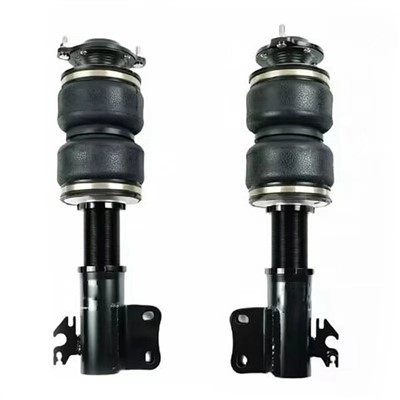
In conclusion, the differences between precision and non – precision shaft parts are significant and can have a profound impact on the performance and cost of your projects. Precision shaft parts offer high geometric accuracy, excellent surface finish, and superior material quality, making them suitable for high – performance applications in industries such as aerospace, medical, and electronics. Non – precision shaft parts, on the other hand, are more cost – effective and are suitable for less demanding applications in industries such as agriculture, furniture, and general manufacturing.
Forklift Parts As a shaft parts supplier, I understand the importance of choosing the right type of shaft for your specific needs. Whether you require precision shaft parts for a high – tech project or non – precision parts for a more basic application, I can provide you with the expertise and high – quality products you need. If you are interested in purchasing shaft parts or need more information, please feel free to reach out to me. Let’s have a detailed discussion and find the best solution for your business.
References
- Callister, W. D., & Rethwisch, D. G. (2018). Materials Science and Engineering: An Introduction. Wiley.
- Groover, M. P. (2010). Fundamentals of Modern Manufacturing: Materials, Processes, and Systems. Wiley.
- Kalpakjian, S., & Schmid, S. R. (2013). Manufacturing Engineering and Technology. Pearson.
Taizhou Liuhuan Machinery Co., Ltd.
As one of the most professional shaft parts manufacturers and suppliers in China, we’re featured by quality products and good service. Please rest assured to buy customized shaft parts made in China here from our factory. For quotation, contact us now.
Address: Xinyuan Industrial Zone, Damaiyu Street, Yuhuan City, Zhejiang Province,China
E-mail: tzlhmachining@gmail.com
WebSite: https://www.tzlhmachining.com/
