If you’ve ever stood in front of a gas turbine power plant, watching those huge blades spin at speeds that make your head spin, you’ve probably wondered how those parts keep working year after year, especially in such brutal conditions. For my company—we’re a gas turbine components supplier, so I see this stuff every single day—one of the biggest game-changers we’ve worked with lately is composite materials. Yeah, I know, “composites” sounds like some fancy, high-tech term that only aerospace nerds use, but trust me, they’re transforming how gas turbines run, and I’ve got the real-world wins to prove it. Gas Turbine Components

Let’s start with the basics: gas turbines are mean to their parts. Blades, vanes, combustor liners—everything’s exposed to super hot gases (we’re talking up to 1,700°C for newer models), constant pressure shifts, and vibrations that’d make a steel bar crack over time. Traditional parts used to be all-metal, mostly high-temperature alloys like Inconel, but composites? They’re built from two or more different materials (like carbon fibers in a ceramic matrix, or glass fibers in a polymer) that work way better together than they do alone. Here’s why that matters so much for our work.
First off, weight. This is a huge one. Old metal turbine blades are heavy—like, really heavy. For a large frame turbine, each first-stage blade can weigh 10 to 15 kilograms, and a whole row of them adds up to tons of extra weight on the rotor. That means the turbine has to use more energy just to spin that heavy rotor, which kills efficiency. Composites? We’ve been testing carbon fiber-reinforced polymer (CFRP) blades for smaller industrial turbines, and they come in at half the weight of their metal counterparts. Wait, but how does that help actual power output? Less weight means less rotational drag, so the turbine can shift more air through the compressor and combustor without wasting extra energy. I remember a project last year where we swapped metal vanes in a 50MW turbine for ceramic matrix composite (CMC) ones— the customer reported a 1.2% jump in overall efficiency. For a power plant running 24/7, that’s millions of dollars in extra electricity sales every year. No joke, that’s a big deal.
Then there’s temperature resistance. Yeah, I know metal alloys are made to handle heat, but even the best ones have a ceiling. If you run a turbine hotter, you get more power and better efficiency, but metal parts start to soften or corrode when you push them too hard. Composites, especially CMCs, can handle way higher temperatures without needing all those heavy, inefficient cooling channels we have to drill into metal parts. Those little cooling holes on metal blades? They bleed air out of the compressor, which is air that’s not being used to make power. CMCs can take the heat without all that, so we don’t have to bleed as much air. Another example: a customer in the oil and gas sector was using a metal combustor liner that would warp every 18 months because of the cyclic heat from start-up and shut-down. We replaced it with a silicon carbide (SiC) fiber CMC liner, and now it’s going strong after 3 years. No warping, no cracking, way less downtime for them. That’s one less unplanned outage costing them thousands in lost production.
Durability and resistance to harsh conditions go hand in hand with that. Metal parts are prone to oxidation, corrosion from sulfur in fuel, and thermal fatigue—every time the turbine turns on and off, the metal expands and contracts, creating tiny cracks that get worse over time. Composites don’t play that game. CMCs have a built-in resistance to oxidation because their ceramic matrix acts like a protective shield, and carbon fiber composites hold up way better to corrosion from things like salt (for turbines near coastal power plants) or chemicals in industrial exhaust. We had a power plant in the Gulf area that was dealing with salt corrosion on their metal blades, which forced them to do full part replacements every 2 years. Switched to our composite blades, and now they’re looking at 8-10 year part lifespans. That cuts their maintenance costs by 70% in the blade department alone. Oh, and don’t even get me started on foreign object damage (FOD)—like a bird hitting a blade, or a tiny chunk of debris getting sucked in. Composites are stiffer and more flexible than metal, so they don’t crack as easily when they take a hit. A bird strike that would chip a metal blade? It might just leave a small mark on a composite one, which can be fixed with a quick touch-up instead of a full part replacement.
Wait, let’s talk design flexibility. Metal parts have to be machined, welded, and formed into those complex shapes that turbines need. That’s a lot of steps, and it limits how intricate you can get. Composites are molded, right? We can make blades and vanes with super precise aerodynamic shapes that push more air through the turbine, without all the extra material that metal parts need for strength. Those smoother, more efficient shapes mean the turbine doesn’t have to work as hard to move air, which again boosts efficiency. I’ve worked on a custom CMC vane for a new turbine model that had a unique curved internal channel for heat distribution—something we could never do with metal because machining that tiny channel would be almost impossible and super expensive. That custom design helped the turbine hit its efficiency target 6 months ahead of schedule.
Don’t get me wrong, composites aren’t perfect. Early on, they were way more expensive than metal parts, and there were concerns about long-term reliability in really harsh, high-load environments. But over the last 10 years, the manufacturing tech has gotten way better—we can now mass-produce composite parts without sacrificing quality, which brings the cost down a lot. And with better testing and quality control, we’ve proven that these parts can hold up for the long haul in real power plant settings. Now, for many customers, the lower maintenance and higher efficiency offset the upfront cost within 2-3 years. That’s a no-brainer for most operations.
As a gas turbine components supplier, I’ve seen first-hand how switching to composites changes the game for our clients. Whether it’s a big utility power plant, an oil and gas facility using turbines for pumping, or even a marine vessel that runs on gas turbines, composites deliver better efficiency, longer part lifespans, less downtime, and lower operating costs. It’s not just a trend—it’s the future of gas turbine parts.
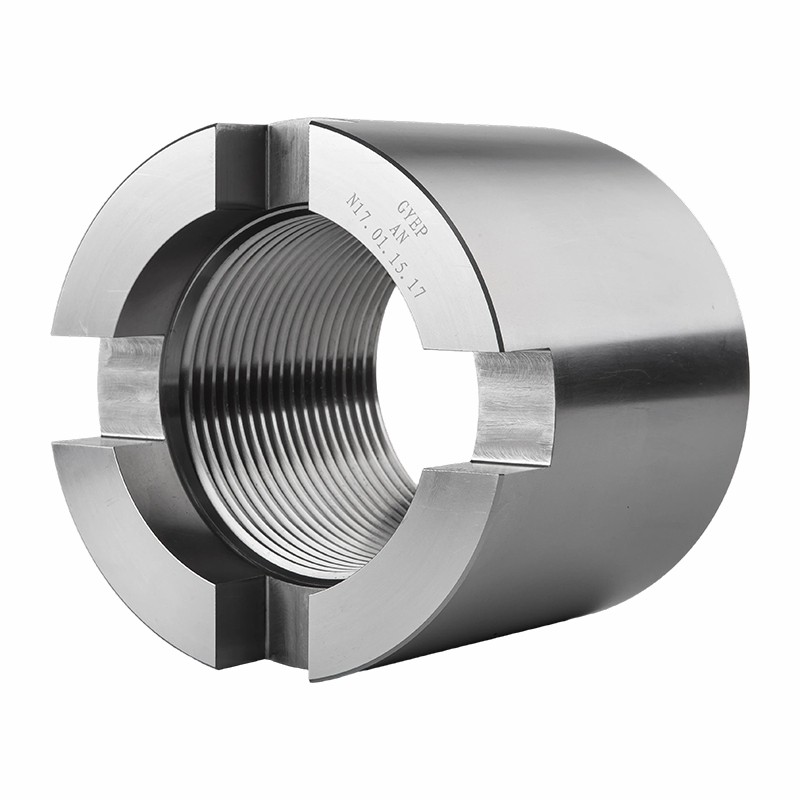
If you’re looking to upgrade your turbine components, cut maintenance costs, and boost your power output, let’s chat. I can walk you through specific parts we’ve installed, share real customer data, and figure out the right composite solution for your needs. We don’t do one-size-fits-all here—every turbine is different, and every customer has different goals, so we’ll work with you to find what works best. Don’t let outdated metal parts hold your operation back—let’s talk about how composites can make your turbine run better, longer.
Steam Turbine Seals References
- Singh, M., et al. (2020). Ceramic matrix composites for gas turbine applications: A review. Journal of Engineering for Gas Turbines and Power, 142(10), 100501.
- American Society of Mechanical Engineers (ASME). (2021). Composite Materials for Turbomachinery Components: Design, Manufacturing, and Maintenance. ASME Press.
- Nasa Glenn Research Center. (2019). Advanced Composites for Aerospace and Energy Turbines. NASA Technical Report TM-2019-219876.
- Global Gas Turbine News. (2022). Market Trends in Composite Component Adoption for Industrial and Power Generation Turbines. Gas Turbine Association.
Hebei Guoyuan Electric Co., Ltd.
With abundant experience, we are one of the most professional gas turbine components manufacturers in China. We warmly welcome you to buy discount gas turbine components for sale here and get pricelist from our factory. Quality products and low price are available.
Address: No. 18 Tianshan Science and Technology Industrial Park, No. 319 Xiangjiang Road, Shijiazhuang High-tech Zone, Hebei Province, China
E-mail: turbine@goineep.com
WebSite: https://www.goineep.com/
