Let’s cut to the chase—if you’ve ever tossed a old newspaper, a used copy of that random work report from 2019, or even a stack of crumpled office printer paper into a recycling bin, you’ve probably wondered: where does all that go, and why does so much of it never get turned back into new paper? Spoiler: A lot of the time, it’s because the process of getting ink off paper is way trickier than most people think. And if you’re in the paper recycling game, you already know that deinking agents are the unsung heroes making that whole thing work. As someone on the supply end of these products (I’m not here to brag, just to call out the stuff that actually makes your recycling line run), let’s break down the real, actionable advantages of using a deinking agent—not just the generic “it works!” garbage you see on company websites. Deinking Agent

First off, let’s get one basic myth out of the way: old paper isn’t just cellulose waiting to be reused. By the time it’s done being a newspaper or a magazine, it’s got a whole bunch of junk stuck to it—ink, coatings, even those weird little globs of food grease from pizza boxes (don’t lie, you’ve recycled a pizza box before). Without the right stuff to grab that ink, you end up with recycled pulp that’s gray, speckled, totally unfit for anything that needs to look like, well, paper. Most paper recyclers used to try to do this with just water and soap, right? That worked okay for simple things like white office paper, but once you mixed in glossy magazine stock or printed stuff with water-resistant ink? Total disaster. You’d end up with pulp that’s filled with tiny ink particles that never fully come free, and the final product would look like something you’d use to wrap a fish, not print a book or a business card. That’s where deinking agents step in, and their first big superpower: they get way more ink off the fiber, way more consistently.
Wait, let’s make that specific. A good deinking agent isn’t just a regular soap. It’s formulated to have that perfect mix of hydrophilic (water-loving) and lipophilic (oil-loving) parts. The lipophilic side latches onto those ink molecules like a magnet, while the hydrophilic side sticks out into the water, so the whole ink-soap cluster can be skimmed away during the flotation process. If you’re running a recycling line, that means less residual ink in your final pulp. I’ve had customers tell me that switching to a properly formulated deinking agent cut their residual ink counts by like 30%—that’s huge. Suddenly, they could turn gray old mixed paper into white office paper, or even premium tissue product, without needing to add a ton of extra bleaches (more on that later). And for paper mills that make packaging? Less ink means a stronger, more consistent final product, not something that falls apart when it gets wet.
Next up: saving money, which I know is the #1 thing anyone in operations cares about. Let’s do a quick real-world math check here. If you’re using a bad deinking agent (or just old-fashioned dish soap, which some cheap operations try to cut corners with), you’re going to have to use way more of it to get the same result. Bad agents don’t bind to ink very well, so you have to dump 5-10 lbs per ton of paper just to get a fraction of the ink off. A good deinking agent? We’re talking 2-4 lbs per ton, max. That’s a direct 50%+ drop in chemical costs right there. But wait, there’s more. Remember that extra bleach I mentioned earlier? If you have residual ink in your pulp, you need way more chlorine or hydrogen peroxide to whiten it up, right? Bleach is expensive, and it’s also got environmental costs. A high-performing deinking agent cuts down on bleach demand by 15-25%—another big line item off your monthly bill. And don’t even get me started on downtime. When your pulp has too much residual ink, you get more clogs in your screens, more spots on your finished paper, more waste that you have to reprocess. I’ve seen customers go from 8 hours of downtime a week from bad pulp quality to less than 2 hours after switching to a good deinking agent. That’s more paper produced, more revenue, less headache.
Environmental stuff, too—let’s not pretend that doesn’t matter anymore, especially with so many brands pushing for “recycled content” claims now. When you use a deinking agent that works well, you’re not just making better paper—you’re making the whole recycling process way less wasteful. Think about it: every ton of paper recycled saves about 17 trees, 7,000 gallons of water, and 463 gallons of oil. But if that paper gets ruined during recycling because you couldn’t get the ink off, you’re wasting all that saved resource, plus the energy you used to transport, collect, and process that paper in the first place. A good deinking agent also helps with water and energy use. Because you can run your recycling process at lower temperatures (some old deinking methods required hot water at 150°F or higher, which uses tons of energy to heat), since the agent works better at cooler temps. That’s less energy, lower utility bills, and a smaller carbon footprint. Plus, modern deinking agents are way more biodegradable than old formulas. I don’t know about you, but no one wants a chemical runoff that messes with local waterways. The stuff we supply breaks down easily in wastewater treatment, so you’re not adding more pollution to the system. And when your final pulp has less residual ink and chemicals, it’s easier to treat the wastewater, too—less clogging of treatment systems, fewer fees from local environmental regulators.
Wait, let’s talk about flexibility, because that’s a big one a lot of people miss. A lot of recycling operations process a mix of paper: old newspapers, glossy magazines, office paper, even things like junk mail. Those all have different types of ink and coatings, right? Newspapers use soy-based ink, magazines use UV-cured ink, junk mail might have water-resistant or metallic ink. Generic deinking agents can’t handle all of that—some will work great on newspaper but leave magazine ink all over your pulp. Good deinking agents are formulated to adapt to different mixes. If you run a mix of 60% office paper and 40% magazines, you can adjust the agent dosage a little and get consistent results, no need to retool your whole line every time the mix changes. I have a customer in the Pacific Northwest who processes a ton of post-consumer mixed paper, and they used to have to pay a third party to take all their “off-spec” pulp that had too much ink. Now, with our deinking agent, almost all of it goes to their finished paper line—they saved like $120k a year in waste disposal fees alone. That’s a game-changer for small to mid-sized recyclers who can’t afford to toss a whole batch of pulp because it’s not good enough.
Another thing: fiber preservation. Paper recycling isn’t infinite—each time you break down the paper fibers, they get a little shorter and weaker. If you have to over-process the pulp to get rid of ink, you’re breaking those fibers even more, resulting in weaker paper that can only be recycled a few more times before it’s useless. A good deinking agent doesn’t require harsh processing steps to get ink off. It gently pulls the ink away from the fiber without damaging the cellulose structure, so your pulp stays stronger, longer. That means your recycled paper can be cycled through the system more times, so less virgin wood fiber needs to be harvested. That’s not just good for the planet—it’s good for business, because you’re getting more use out of every ton of paper you process. I had a mill customer tell me that their recycled pulp’s tensile strength (how much it can pull before breaking) went up 12% after switching to our agent. That meant they could use 10% less virgin fiber in their finished product, saving them another $80k a year on raw materials. Let me tell you, that’s the kind of win that gets managers noticed.
Now, let’s be real—this isn’t to say every deinking agent is the same. There are a ton of cheap, generic ones out there that don’t deliver on these advantages. They might work for a week, but then you start seeing more waste, higher chemical costs, more downtime. The key is getting a deinking agent that’s actually tailored to your specific operation. What kind of paper do you process? What’s your flotation process like? What’s your wastewater treatment setup? A good supplier (ahem, the kind I’m part of) will work with you to test a small batch first, adjust the formula to fit your needs, not just dump a one-size-fits-all product on your line.
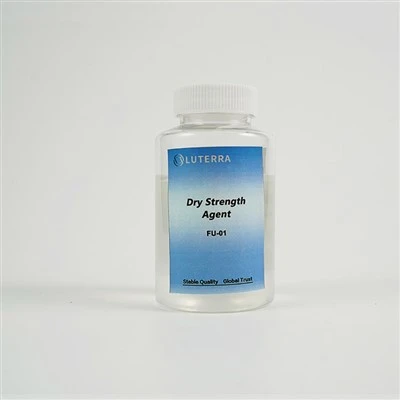
At the end of the day, paper recycling is only as good as the pulp you get out of it. Without a good deinking agent, you’re leaving money on the table, wasting resources, and producing a product that’s not up to par. If you’re dealing with inconsistent pulp quality, high chemical costs, or too much downtime from waste, it’s time to stop settling for whatever generic stuff you’ve been using. We’ve helped recyclers and mills across the board boost their yield, cut costs, and make better paper, while keeping their environmental goals on track. If you’re ready to stop guessing and start getting the results you need, reach out to us to talk about your specific process and how our deinking agents can work for you.
Biocides References:
- Jain, R., & Singh, S. (2018). Deinking of recycled paper: A review of chemical and biological approaches. Journal of Environmental Management, 217, 821-832.
- McLeod, J. (2020). Advances in deinking chemistry for mixed paper recycling. TAPPI Journal, 19(4), 245-252.
- European Paper Organisation. (2021). Environmental benefits of paper recycling and deinking process optimization. Brussels: EPO Publications.
- Zhang, L., et al. (2019). Cost-benefit analysis of deinking agent selection for small-scale paper recyclers. Waste Management & Research, 37(10), 1021-1029.
Luterra Advanced Materials Co., Ltd.
We are one of the most experienced deinking agent manufacturers and suppliers in China, also support customized service. With a professional production team, we are able to meet the needs of the majority of our customers. Please feel free to buy high quality deinking agent made in China here from our factory.
Address: East End of Jingting Road, Caterpillar Industrial Zone, Qingzhou City, Weifang City, Shandong Province, China
E-mail: info@luterra-chem.com
WebSite: https://www.luterra-chem.com/
