If you’re someone who loves whipping up your own body care stuff (and honestly, who hasn’t dreamed of mixing their own lavender lotion or citrus sugar scrub at 2 a.m. when your store-bought stuff ran out?), you’ve probably heard both ends of the spectrum: “DIY is totally natural and safe!” and “Wait, don’t mix that—you could hurt yourself.” As a body care supplier who’s spent years testing both commercial and homemade formulas, I’m here to cut through the noise and tell you: DIY body care can be safe… if you do it right. No, it’s not just “mixing oil and water” — there are actual science-backed steps to avoid messed-up products, skin irritations, or even worse. Let’s break it down like I’d talk to a buddy over coffee (no stuffy corporate jargon, promise). BODY CARE

First, let’s get one big myth out of the way: just because a product is “DIY” doesn’t mean it’s automatically gentle. I see this all the time on social media — people slathering raw honey, essential oils, and straight lemon juice on their faces because “that’s what grandma did.” But lemon juice is acidic, and leaving it on skin without diluting it can cause chemical burns, especially if you’re going out in the sun (hello, photosensitivity!). Essential oils? They’re super concentrated — a drop too much can irritate sensitive skin, or even trigger allergic reactions. I’ve had customers come to me after mixing a “natural” sugar scrub with 10 drops of tea tree oil, complaining of red, itchy arms. They didn’t know essential oils need to be diluted with a carrier oil, not dumped straight in. That’s where starting with the basics matters.
The first rule I always drum into new DIYers: know your ingredients — and how they work. You wouldn’t bake a cake without knowing what flour does, right? Same with body care. Let’s split ingredients into three simple groups: base, active, and preservative (yes, preservatives are non-negotiable if your product has water). Bases are the bulk of your product — things like jojoba oil, shea butter, aloe vera gel. They’re gentle, but they can go rancid if exposed to air or moisture. Actives are the stuff that does the work — vitamin C for brightening, tea tree oil for acne, lavender for calming. These are great, but they need to be used in the right concentration. Preservatives are what most DIYers skip (and that’s where the danger comes in). If you make a lotion with aloe vera (which has water) and leave it on your counter for a week, you’re growing bacteria and mold that you’re then rubbing into your pores. I’ve tested samples from home bakers that had 100x the safe limit of microbial growth — not cool. Pro tip: if you’re new, stick to pre-tested ingredient blends from reputable suppliers (shoutout to us, but more on that later) instead of guessing.
Next up: skip the “natural = safe” trap. I get it, natural sounds like it’s free of weird chemicals, but some natural ingredients are actually harsh. For example, raw soapnuts are a natural cleanser, but if you use too many in a body wash, they can strip your skin’s natural oils, leading to dryness and irritation. Even something as common as baking soda — it’s natural, but using it as a face scrub every day can damage your skin’s barrier, leaving you prone to breakouts and sensitivity. As a supplier, we see so many homemade formulas that use “natural” ingredients without testing their pH. Your skin’s pH is around 5.5 (slightly acidic), so if your body care product is too alkaline (like a baking soda scrub), it messes with that balance. That’s why store-bought products are tested for pH — it’s not just a corporate trick, it’s science.
Now, the non-negotiable steps that make DIY body care safe, no matter what you’re mixing. Let’s start with tools: wash everything with hot, soapy water before you start. I know, it’s a hassle, but a dirty spoon or bowl has bacteria that’ll end up in your product. I once had a customer who made a lip balm with a spoon she used for jam — within three days, she had a fungal infection. Not worth it. Also, use glass or stainless steel containers, not plastic. Plastic can leach chemicals, especially if your product has citrus or other acidic ingredients. Glass is easier to sanitize too.
Then, preservatives. If your product has water (aloe, hydrosols, infusions), you need a broad-spectrum preservative. No exceptions. I recommend brands that are tested for safety, like those with the ECOCERT seal — they’re gentle and effective. Skip the “homemade preservatives” people talk about, like grapefruit seed extract — studies show those aren’t as reliable as commercial preservatives, and some can be irritating. If you’re making a product with no water, like a sugar scrub with only oil and sugar, you don’t need a preservative, but you should still use it within a month because the oil can go rancid. Rancid oil won’t hurt you, but it’ll smell weird and lose any beneficial properties.
Concentration is key here, too. For essential oils, the general rule is 2-3% for body products (that’s about 12 drops per ounce of carrier oil) and 1% for face products. Any more, and you’re asking for irritation. I’ve seen DIYers use 20+ drops of peppermint oil in a leg scrub — they ended up with a chemical burn because peppermint is a warming oil that’s super strong. Actives like vitamin C should be used at 10% or less for face products; higher concentrations can destabilize the vitamin C and cause skin redness. Always check a concentration guide (not random Instagram posts) — reputable supplier sites or skincare science blogs are your friend.
Another big one: patch testing. No matter how gentle an ingredient is, everyone’s skin is different. If you make a new lotion, dab a tiny bit on the inside of your elbow, wait 24 hours. If it’s red, itchy, or burning, don’t use it. I can’t tell you how many people skip this and end up with a rash all over their body. Same goes for store-bought products, but since you’re making it yourself, you’re responsible. Oh, and if you have allergies — say, you’re allergic to nuts — skip the nut oils (like sweet almond) and use something else, like jojoba, which is safe for most people. I’ve had customers who tried a homemade lotion with shea butter (they didn’t know they were allergic to it) and ended up with hives. Patch testing would’ve caught that.
Now, let’s talk about common DIY mistakes I see as a supplier. One big one: making large batches. It’s tempting to mix a whole jar to save time, but homemade products don’t have the stabilizers that commercial products do. A lotion you make at home will separate, go rancid, or grow bacteria in a few weeks. So make small batches — enough for 1-2 months’ use. That way, you’re not wasting ingredients, and you’re using a fresh product every time. Another mistake: not storing products correctly. Keep them in a cool, dark place — not the shower (steam and moisture breed bacteria) and not on a sunny windowshelf (heat breaks down ingredients). A lot of people store their body wash in the shower, which is a huge no-no for water-based products. I always tell customers to keep their homemade stuff in a cabinet by the sink, not the shower.
Wait, what about “zero-waste” DIY? I love zero-waste, but sometimes people go overboard and use untested ingredients. For example, making an infusion by steeping herbs in water at room temperature for a week — that’s a breeding ground for bacteria. If you want an herbal infusion, do it with oil (sterilize your herbs first, use a jar with a tight lid, and keep it in the sun for a few weeks) or use a carrier oil that’s already been preserved. Same with honey — raw honey is great, but if you mix it with water, it can ferment. Stick to honey-only products (like a honey face mask) and use it within a week, or make a honey-oil blend with a preservative.
As a body care supplier, I’ve worked with hundreds of DIYers who’ve come to us frustrated because their first homemade product “went bad” or irritated their skin. A lot of them thought DIY was supposed to be easier, but the truth is, commercial brands spend thousands of dollars testing formulas for safety — pH levels, microbial counts, ingredient compatibility. That doesn’t mean you can’t make safe DIY products, it means you need to replicate some of that testing on a small scale.
Let’s wrap this up with a quick checklist so you don’t forget: 1. Sanitize all tools and containers before starting. 2. Know your ingredients’ concentration limits. 3. Use a broad-spectrum preservative for water-based products. 4. Do a patch test on your inner elbow 24 hours before using any new product. 5. Make small batches (1-2 months max) and store in a cool, dark place. 6. Skip the “natural = safe” myth — test pH if you can, and avoid over-concentrating actives.
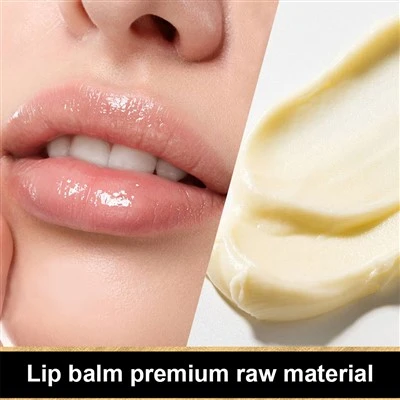
If you’re someone who’s been hesitant to try DIY because you’re worried about safety, don’t let that stop you! Once you get the hang of these steps, it’s super rewarding to make a product that works for your skin. And if you’re ready to level up your DIY game with pre-tested ingredients or custom formulas (I work with a lot of home DIYers and small brands to make sure their products are safe and effective), feel free to reach out to us for a consultation. We can help you pick the right bases, actives, and preservatives so you don’t have to guess. No corporate hoops, just straight talk about making body care that’s both fun and safe.
Face Base Now, a quick note on references for anyone who wants to dive deeper into the science:
- U.S. Food and Drug Administration. (2022). "Safety of Cosmetic Ingredients and DIY Cosmetics."
- International Journal of Cosmetic Science. (2019). "Microbial Contamination in Homemade Cosmetic Products."
- Journal of Drugs in Dermatology. (2020). "Allergic Contact Dermatitis from Natural Ingredients in Topical Preparations."
- The Personal Care Products Council. (2021). "pH Balancing in Cosmetic Formulations."
- National Center for Biotechnology Information. (2018). "Essential Oil Dilution Rates for Topical Use."
Guangzhou Yishengheng Cosmetic Co., Ltd.
Address: Room 1003, 10th Floor, Building B, Suijin Center, No. 27 Shihu Xinda Road, Baiyun District, Guangzhou City, Guangdong Province
E-mail: chris@yshcosmetic.com
WebSite: https://www.yshcosmetic.com/
