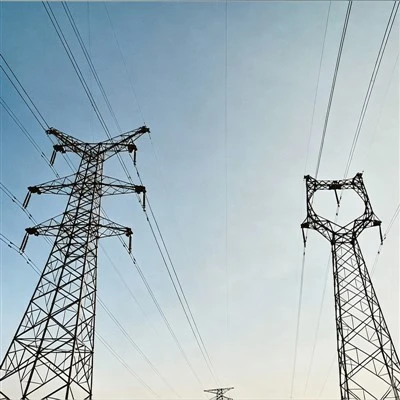
As a supplier of power transmission towers, I’ve witnessed the intricate process of their installation from beginning to end. It’s a fascinating journey that combines engineering expertise, advanced technology, and a lot of hard work. In this blog, I’ll take you through the step-by-step process of how power transmission towers are installed, sharing insights and experiences from the field. Power Transmission Tower
Site Preparation
The first step in installing a power transmission tower is site preparation. This involves conducting a detailed survey of the area to determine the best location for the tower. Factors such as soil conditions, terrain, proximity to existing infrastructure, and environmental impact are carefully considered. Specialized equipment is used to collect data on soil composition, bearing capacity, and groundwater levels, which are crucial for designing a stable foundation.
Once the site is selected, the area is cleared of vegetation, rocks, and other obstacles. This creates a clean and level surface for the construction work. In some cases, the ground may need to be graded or compacted to ensure proper stability. Temporary access roads are also built to allow heavy equipment and materials to reach the site safely.
Foundation Construction
The foundation is the most critical part of a power transmission tower. It provides the necessary support to withstand the weight of the tower, the tension of the power lines, and external forces such as wind, ice, and earthquakes. There are several types of foundations used for power transmission towers, including spread footings, pile foundations, and drilled shafts.
For spread footings, large concrete pads are poured directly on the ground at the base of the tower. The size and shape of the footings are designed based on the tower’s load requirements and soil conditions. Reinforcing steel bars are added to the concrete to increase its strength and durability.
Pile foundations are used in areas with poor soil conditions or where the tower needs to be installed in water. Steel or concrete piles are driven deep into the ground to provide a stable base. The piles are connected to a concrete cap on which the tower is mounted.
Drilled shafts are similar to pile foundations but are created by drilling a hole into the ground and filling it with concrete. They are often used in areas with high water tables or where the soil is difficult to penetrate.
Tower Assembly
Once the foundation is complete and has cured to the required strength, the tower assembly begins. The tower is typically fabricated in sections at a manufacturing facility and then transported to the site. The sections are carefully unloaded and inspected to ensure they are in good condition and meet the design specifications.
Assembly usually starts at the base of the tower and works its way up. Workers use cranes and other lifting equipment to position the sections and connect them using bolts or welds. Safety is of utmost importance during this process, and workers must follow strict safety protocols to prevent accidents.
As the tower rises, additional bracing and support structures are installed to ensure its stability. Specialized tools and equipment are used to tighten the bolts to the correct torque, ensuring a secure connection between the sections.
Power Line Installation
After the tower is assembled, the next step is to install the power lines. The power lines are typically made of aluminum or copper and are supported by insulators attached to the tower. The insulators prevent the electrical current from flowing into the tower and ensure the safe transmission of electricity.
The power lines are strung between the towers using a process called stringing. This involves using a pulling machine to pull the lines from one tower to the next. Specialized devices are used to measure the tension in the lines to ensure they are properly installed and have the correct sag.
Ground wires are also installed above the power lines to protect them from lightning strikes. These wires are connected to the towers and grounded to the earth to provide a path for the electrical current in case of a lightning strike.
Testing and Commissioning
Once the power lines are installed, the entire system undergoes a series of tests to ensure it is functioning properly. Electrical tests are conducted to measure the voltage, current, and resistance of the power lines. These tests help to identify any potential issues or faults in the system.
Mechanical tests are also performed on the tower and its components to ensure they can withstand the expected loads and environmental conditions. This includes testing the strength of the tower structure, the integrity of the bolts and welds, and the performance of the insulators.
After all the tests are completed and the system is deemed safe and reliable, it is commissioned for use. This involves connecting the power lines to the electrical grid and gradually increasing the electrical load to ensure the system can handle the power demand.
Maintenance and Inspection
Even after the power transmission tower is installed and commissioned, regular maintenance and inspection are essential to ensure its continued operation. Maintenance tasks include checking the condition of the tower structure, tightening loose bolts, replacing damaged insulators, and trimming vegetation around the towers.
Inspections are typically conducted on a regular basis, either annually or bi-annually, to detect any signs of wear, corrosion, or damage. Advanced inspection techniques such as drones and thermal imaging are increasingly being used to provide a more comprehensive assessment of the towers and power lines.
By investing in regular maintenance and inspection, power utilities can extend the lifespan of their power transmission towers and minimize the risk of outages and other problems.
Conclusion
The installation of power transmission towers is a complex and challenging process that requires careful planning, engineering expertise, and a commitment to safety. As a supplier of power transmission towers, I’m proud to be part of an industry that plays a crucial role in providing reliable electricity to communities around the world.

If you’re in the market for high-quality power transmission towers, I invite you to get in touch with us. Our team of experts can work with you to design and supply the perfect tower solution for your project. We offer a wide range of tower designs and configurations to meet your specific requirements, and we’re committed to providing the highest level of customer service.
Boiler Auxiliary Equipment Thank you for reading this blog, and I hope you’ve gained a better understanding of how power transmission towers are installed. If you have any questions or comments, please feel free to share them below.
References
- Power Transmission and Distribution Handbook, by Arnold E. Fitzgerald, Charles Kingsley, Jr., and Stephen D. Umans
- Electrical Transmission and Distribution Reference Book, by Westinghouse Electric Corporation
- Standard Methods for Design and Construction of Towers and Poles for Electric Power Transmission and Distribution Lines, by American Society of Civil Engineers
Qingdao Hongyuanfeng Power Equipment Co., Ltd.
Hongyuanfeng is one of the most professional power transmission tower manufacturers and suppliers in China, also supports customized service. Please feel free to wholesale advanced power transmission tower in stock here from our factory. Good service and quality products are available.
Address: No.42 Fengwu Road, Beiguan Industrial Park, Jiaozhou City
E-mail: 13808970205@163.com
WebSite: https://www.hyfsteelpod.com/
