Hey there! I’m a supplier of dithiophosphate, and I often get asked about how this stuff is synthesized. So, I thought I’d take a few minutes to break it down for you in a way that’s easy to understand. Dithiophosphate
The Basics of Dithiophosphate
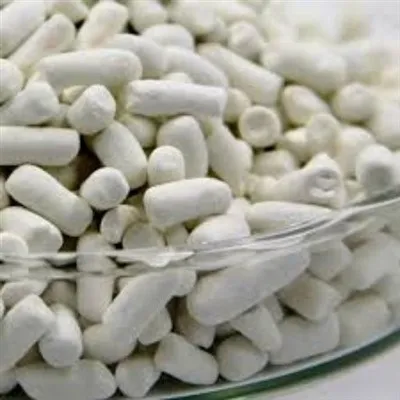
First off, let’s talk a bit about what dithiophosphate is. Dithiophosphates are a group of chemical compounds that are widely used in various industries, especially in mining as flotation collectors. They’re pretty important because they help separate valuable minerals from ore.
The Starting Materials
The synthesis of dithiophosphate starts with a few key ingredients. The main ones are phosphorus pentasulfide (P₂S₅) and an alcohol. Phosphorus pentasulfide is a yellowish solid that’s made by reacting phosphorus with sulfur. It’s a crucial component because it provides the phosphorus and sulfur atoms that are essential for the dithiophosphate structure.
The alcohol we use can vary. Common ones include isopropyl alcohol, butyl alcohol, and amyl alcohol. The choice of alcohol depends on the specific type of dithiophosphate we want to make and its intended application. For example, if we’re making a dithiophosphate for a particular type of ore flotation, we’ll pick an alcohol that will give us the best performance.
The Reaction Process
The synthesis of dithiophosphate is basically a reaction between the phosphorus pentasulfide and the alcohol. It usually happens in a reactor vessel. Here’s a step-by-step look at what goes on:
Step 1: Mixing the Ingredients
We start by adding the phosphorus pentasulfide to the reactor. Then, we slowly add the alcohol. This is done carefully because the reaction can be exothermic, which means it releases heat. If we add the alcohol too quickly, things can get out of hand, and we don’t want that!
Step 2: Reacting
Once the ingredients are mixed, we heat up the reactor to a specific temperature. This temperature can vary depending on the alcohol and the desired reaction rate, but it’s usually in the range of 60 – 100 degrees Celsius. As the reaction progresses, the phosphorus pentasulfide and the alcohol react to form an intermediate compound.
Here’s the chemical equation for a general reaction with an alcohol (R – OH, where R represents an alkyl group):
P₂S₅ + 4 R – OH → 2 (RO)₂PSSH + H₂S
The H₂S you see there is hydrogen sulfide, a toxic gas. So, we have to be really careful when handling it. We usually have a system in place to capture and treat the hydrogen sulfide to make sure it doesn’t pose a threat to the environment or our workers.
Step 3: Purification
After the reaction is complete, we end up with a mixture that contains the dithiophosphate, some unreacted starting materials, and other by – products. To get a pure dithiophosphate product, we need to purify it. This is usually done through a series of processes like filtration and distillation.
Filtration helps remove any solid impurities that might be in the mixture. Then, distillation is used to separate the dithiophosphate from the other liquid components based on their different boiling points.
Factors Affecting the Synthesis
There are a few factors that can have a big impact on the synthesis of dithiophosphate.
Temperature
As I mentioned earlier, the reaction temperature is crucial. If it’s too low, the reaction might be too slow, and we won’t get a good yield of dithiophosphate. On the other hand, if it’s too high, the reaction might be too fast, and we could end up with unwanted by – products. So, we have to carefully control the temperature throughout the reaction.
Reaction Time
The amount of time we let the reaction run also matters. If we stop the reaction too soon, not all of the starting materials will have reacted, and we’ll have a lower yield. But if we let it go on for too long, the dithiophosphate might start to decompose.
Ratio of Reactants
The ratio of phosphorus pentasulfide to alcohol is another important factor. If we use too much of one reactant and not enough of the other, the reaction won’t proceed as efficiently, and we might not get the best quality dithiophosphate.
Quality Control
As a supplier, quality control is super important to us. We have a team of experts who test every batch of dithiophosphate we produce. They check things like the purity of the product, its chemical composition, and its performance in the intended application.
We use a variety of analytical techniques to do these tests. For example, we might use high – performance liquid chromatography (HPLC) to determine the purity of the dithiophosphate and its chemical composition. We also do performance tests in the lab to make sure it works well as a flotation collector.
Why Choose Our Dithiophosphate
Now, you might be wondering why you should choose our dithiophosphate. Well, for starters, we have years of experience in the industry. We know how to synthesize high – quality dithiophosphate that meets the needs of our customers.
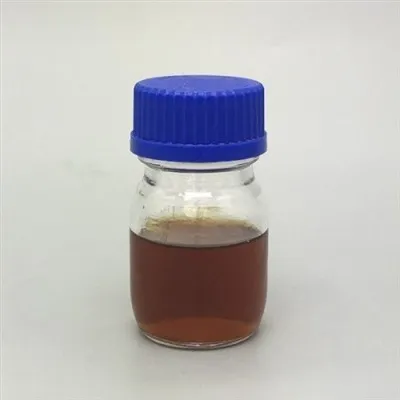
Our production process is carefully monitored and controlled to ensure consistency. Every batch of dithiophosphate we produce is of the same high standard. We also offer excellent customer service. If you have any questions or concerns about our product, our team is always ready to help.
Let’s Talk Business
Xanthate If you’re in the market for dithiophosphate, I’d love to talk to you. Whether you’re a small – scale mining operation or a large industrial company, we can provide you with the right dithiophosphate for your needs. Just reach out to us, and we can start discussing your requirements and how we can work together.
References
- Smith, J. (2018). Chemical Synthesis of Organophosphorus Compounds. Academic Press.
- Jones, A. (2020). Mining Flotation: Principles and Practice. Wiley.
Bitop Bihope Qingdao Mining Co., Ltd
Bitop Bihope Qingdao Mining Co., Ltd. is one of the most professional dthiophosphate manufacturers and suppliers in China, featured by quality products and low price. Please rest assured to buy discount dthiophosphate in stock here and get quotation from our factory. Customized orders are welcome.
Address: Room 410, 4th Floor, Shengquan Business Building, No. 263 Yitong Road, Huangdao District, Qingdao City, Shandong Province, China
E-mail: btbhmining@163.com
WebSite: https://www.btbhmining.com/
