How Does a Soaping Agent Clean Dirt from Porous Surfaces?
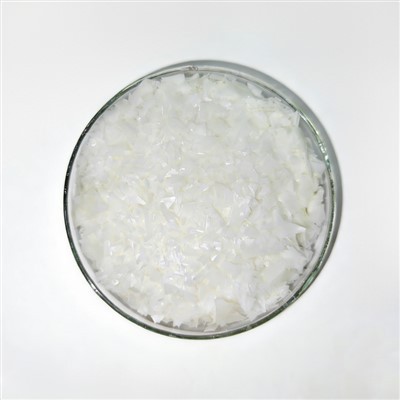
As a supplier of soaping agents, I’ve witnessed firsthand the wonders these products can work on various surfaces. Particularly, the ability of soaping agents to clean dirt from porous surfaces is quite remarkable. In this blog, I’ll delve into the science behind how soaping agents achieve this feat, sharing insights based on our experience in the industry. Soaping Agent
Understanding Porous Surfaces
Porous surfaces are characterized by having small holes or pores that can trap dirt, grime, and other contaminants. Common examples include wood, stone, concrete, and certain types of fabric. These pores create a larger surface area for dirt to adhere to, making them more challenging to clean compared to non – porous surfaces.
The dirt that accumulates on porous surfaces can come from a variety of sources. It could be dust carried by the air, spills that seep into the pores, or debris that gets ground into the surface. Once lodged in the pores, the dirt can be stubbornly resistant to simple cleaning methods.
The Science of Soaping Agents
Soaping agents are formulated based on a deep understanding of chemistry, especially the principles of surfactants. Surfactants, or surface – active agents, are the key components in soaping agents. They have a unique molecular structure that consists of a hydrophilic (water – loving) head and a hydrophobic (water – hating) tail.
When a soaping agent is applied to a dirty porous surface, the hydrophobic tails of the surfactant molecules are attracted to the dirt. This dirt could be in the form of oils, grease, or other non – polar substances. The hydrophilic heads, on the other hand, remain in contact with the water in the cleaning solution.
As the soaping agent is spread over the surface and agitated, the surfactant molecules surround the dirt particles. The hydrophobic tails embed themselves in the dirt, while the hydrophilic heads point outwards into the water. This forms small aggregates called micelles. Each micelle encapsulates a dirt particle, effectively isolating it from the porous surface.
Penetration into Porous Surfaces
One of the critical steps in cleaning porous surfaces is getting the soaping agent into the pores where the dirt is trapped. Our soaping agents are designed with properties that allow for efficient penetration. They have low surface tension, which means they can spread easily over the surface and seep into the pores.
The size of the surfactant molecules also plays a role. Smaller molecules can penetrate more easily into the narrow pores of porous materials. Our formulation scientists carefully select the right combination of surfactants to ensure optimal penetration. For example, in our dedicated stone – cleaning soaping agents, we use a blend of surfactants with different molecular sizes to target dirt in pores of varying diameters.
Once the soaping agent has penetrated the pores, the surfactant molecules start to work on the dirt. They break the bonds between the dirt and the inner walls of the pores. This is due to the hydrophobic – hydrophilic interaction we discussed earlier. The soaping agent softens the dirt and makes it easier to lift from the surface.
Emulsification and Dispersal
Emulsification is another important process in how soaping agents clean porous surfaces. Emulsification occurs when a soaping agent turns a mixture of oil or grease (a hydrophobic substance) and water (a hydrophilic substance) into an emulsion.
In the context of porous surfaces, most dirt contains some amount of oil or grease. When the soaping agent comes into contact with these oily dirt particles in the pores, it emulsifies them. The surfactant molecules surround the oil droplets, preventing them from recombining and allowing them to be dispersed in the water.
This dispersal is crucial as it helps in removing the dirt from the pores. Once the dirt is emulsified and dispersed in the cleaning solution, it can be easily rinsed away. When we use our soaping agent on a wooden kitchen countertop, the soaping agent emulsifies the food oils and greases stuck in the wood pores. Then, a simple rinse with water can carry away the emulsified dirt, leaving the surface clean.
Multiple – Mechanism Approach
In addition to the surfactant – based cleaning mechanisms, our soaping agents often incorporate other components to enhance cleaning on porous surfaces. For instance, some of our products contain enzymes. Enzymes are biological catalysts that can break down specific types of dirt.
Proteases are enzymes that can break down proteins, which are common components of stains such as blood or food remnants. Lipases can break down fats and oils. By including these enzymes in our soaping agents, we can target a wider range of dirt types on porous surfaces.
Chelating agents are also added to some of our formulations. These agents can bind to metal ions, such as calcium and magnesium, which are often present in hard water. Hard water can form deposits on porous surfaces and make dirt more difficult to remove. By chelating these metal ions, our soaping agents prevent the formation of these deposits and improve the overall cleaning efficiency.
Factors Affecting Cleaning Performance
The cleaning performance of a soaping agent on porous surfaces can be influenced by several factors. One of the most important factors is the concentration of the soaping agent in the cleaning solution. If the concentration is too low, there may not be enough surfactant molecules to effectively clean the dirt. On the other hand, if the concentration is too high, it can lead to excessive foaming and may not necessarily improve cleaning performance.
The temperature of the cleaning solution also matters. Generally, higher temperatures can increase the activity of the surfactants and enzymes in our soaping agents. This is because heat provides energy for the chemical reactions to occur more quickly. However, some porous materials, such as certain types of fabric, may be sensitive to high temperatures, so the optimal temperature needs to be carefully balanced.
The duration of contact between the soaping agent and the porous surface is another factor. Allowing the soaping agent to sit on the surface for an appropriate amount of time gives the surfactants and other components enough time to penetrate the pores and break down the dirt.
Our Soaping Agents: A Reliable Choice
We take pride in our soaping agents’ ability to clean dirt from porous surfaces effectively. Through continuous research and development, we have refined our formulations to target a wide range of dirt types and porous materials.
Our products are environmentally friendly, using biodegradable surfactants and other components that minimize the impact on the environment. They are also safe to use on most common porous surfaces, with appropriate guidelines provided for different applications.

Whether you are a homeowner looking to clean your dirty wooden floor, a business owner responsible for maintaining a stone – paved entrance, or a professional cleaner dealing with various porous surfaces, our soaping agents can meet your needs.
Contact Us for Procurement
Dyeing Auxiliaries If you are interested in our high – quality soaping agents for cleaning porous surfaces, we invite you to reach out to us. Our sales team is ready to discuss your specific requirements, provide product samples, and offer competitive pricing. We are committed to helping you find the best soaping agent solution for your cleaning challenges.
References
- Adamson, A. W. Physical Chemistry of Surfaces. Wiley, 1990.
- Holmberg, K., Jönsson, B., Kronberg, B., & Lindman, B. Surfactants and Polymers in Aqueous Solution. Wiley, 2003.
- Rogers, R. D., & Seddon, K. R. Ionic Liquids: Industrial Applications to Green Chemistry. ACS Symposium Series, 2002.
Nanfeng Dasun Technology Co., Ltd.
As one of the leading soaping agent manufacturers and suppliers in China, we offer a wide range of products with superior quality for industrial. Please rest assured to buy bulk soaping agent made in China here from our factory. Contact us for more details.
Address: Nanfeng Industrial Park, Nanfeng County, Fuzhou City, Jiangxi Province, China
E-mail: Inquiry@honechem.com
WebSite: https://www.honechem.org/
